

Introduction
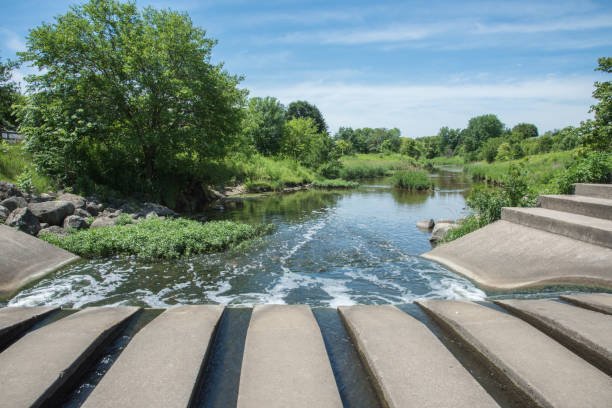
On May 29, 2025, the Tomahawk Creek Wastewater Facility in Leawood, Kansas, experienced an overflow event that raised significant public concern. This incident, identified around 9:15 a.m., was attributed to an operational failure during routine maintenance. While the overflow was promptly addressed, it highlighted the critical importance of maintaining and upgrading wastewater infrastructure to prevent such occurrences in the future.
Understanding the Tomahawk Creek Wastewater Facility
Facility Overview
The Tomahawk Creek Wastewater Facility, operated by Johnson County Wastewater (JCW), serves approximately 150,000 residents in the region. Originally constructed in 1955, the facility underwent a significant expansion completed in 2022. This $270 million project increased its capacity from 19 million gallons per day (MGD) to 172 MGD, enabling it to handle both wet and dry weather flows effectively. McCarthy
Operational Mechanisms
The facility employs a comprehensive treatment process that includes:
-
Influent Pump Station: Receives raw wastewater and removes large debris.
-
Headworks: Removes trash, rags, and grit from the influent.
-
Biological Nutrient Removal (BNR): Reduces nitrogen and phosphorus levels.
-
Peak Flow Pump Station: Handles increased flow during wet weather events.
-
Filter Disinfection Complex: Provides filtration and disinfection.
These processes ensure that the treated water meets environmental standards before being discharged. jcwtomahawk
The May 2025 Overflow Incident
Incident Details
The overflow occurred during routine maintenance activities at the facility. An operational failure led to the discharge of untreated or partially treated wastewater into the environment. The Johnson County Department of Health and Environment identified the issue around 9:15 a.m. and issued a public health advisory for residents and businesses near the facility. JoCoGov
Immediate Response
Upon identifying the overflow, JCW’s water quality lab team initiated testing of the creek water downstream from the facility. Crews worked promptly to clean up the area and prevent further contamination. The public health advisory was lifted shortly after the situation was resolved. KSHB 41 Kansas City News
Environmental and Public Health Implications
Environmental Impact
Discharges of untreated wastewater can introduce harmful bacteria, viruses, and chemicals into natural water bodies. Such contamination can adversely affect aquatic life and disrupt local ecosystems.
Public Health Risks
Exposure to contaminated water can lead to various health issues, including gastrointestinal illnesses and skin infections. The public health advisory issued during the overflow incident underscored the seriousness of these risks.
Measures to Prevent Future Overflows
Infrastructure Upgrades
In response to the overflow, JCW has committed to enhancing the facility’s infrastructure. This includes implementing more robust maintenance protocols and upgrading equipment to improve reliability during routine operations.
Capacity Expansion
The recent expansion of the facility has increased its capacity to handle both wet and dry weather flows. This expansion aims to reduce the likelihood of overflows during periods of heavy rainfall. McCarthy
Public Communication
JCW has emphasized the importance of transparent communication with the public. Residents are encouraged to report any unusual odors or concerns through the facility’s odor complaint form, ensuring that issues are addressed promptly. jcwtomahawk
Conclusion
The May 2025 overflow at the Tomahawk Creek Wastewater Facility serves as a reminder of the challenges associated with maintaining aging infrastructure amidst growing populations. While the immediate response was effective, the incident underscores the need for continuous investment in wastewater treatment facilities to safeguard public health and the environment. Through ongoing upgrades and proactive measures, JCW aims to prevent future occurrences and ensure the reliable operation of the Tomahawk Creek Wastewater Facility.












Leave a Reply