

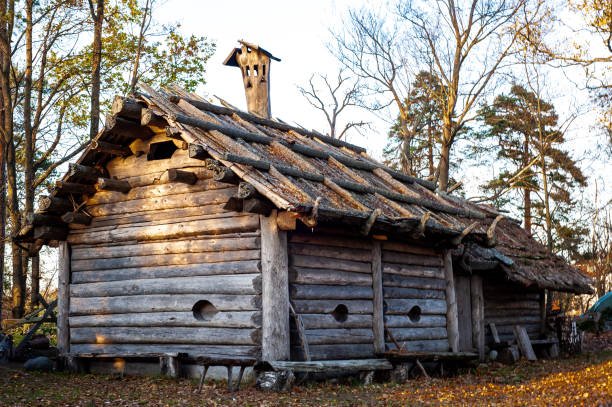
Tiimatuvat are traditional Finnish wooden buildings that reflect centuries of craftsmanship, rural life, and architectural ingenuity. More than mere structures, they embody Finland’s connection to nature, community living, and sustainable construction techniques.
These historical buildings continue to capture interest today for their practicality, charm, and cultural significance. Understanding tiimatuvat provides insight into Finnish heritage, traditional architecture, and the evolution of rural communities.
The Origins of Tiimatuvat
Tiimatuvat originated in Finland’s rural areas, where wood was the most abundant and versatile building material. Dating back several centuries, these buildings were primarily used as:
-
Homes for families and farm workers
-
Saunas, central to Finnish hygiene and social life
-
Storage barns for crops and livestock
-
Community meeting spaces in smaller villages
The name “tiimatuvat” comes from regional Finnish dialects, often referring to small log-built dwellings or auxiliary structures.
Architectural Characteristics
Tiimatuvat showcase the skill and resourcefulness of Finnish builders. Key features include:
1. Log Construction
Logs were carefully cut, notched, and stacked to form sturdy walls without nails. This traditional technique provided natural insulation against Finland’s harsh winters.
2. Roof Styles
Roofs were steeply pitched to shed snow and protect the structure. Some featured turf or wooden shingles for additional insulation and weather resistance.
3. Functional Interiors
Interiors were minimalist, with multi-purpose rooms designed for living, cooking, and socializing. Central hearths or stoves offered warmth and cooking facilities.
4. Decorative Touches
Despite their simplicity, tiimatuvat often included subtle decorative elements, such as carved doorframes, window surrounds, and patterned woodwork, reflecting local artistry.
Cultural Significance
Tiimatuvat were central to Finnish rural life, influencing social and cultural practices:
-
Family life: Served as homes for multiple generations under one roof
-
Community cohesion: Villagers often collaborated in construction and maintenance
-
Sauna culture: Saunas attached or nearby were essential for hygiene and gatherings
-
Seasonal activities: Outbuildings supported farming, storage, and craft production
These structures illustrate the balance between practicality, social function, and cultural expression.
Regional Variations
Different parts of Finland developed unique styles of tiimatuvat, adapting to local climate and available resources:
-
Eastern Finland: Features tightly fitted logs with prominent corner notches for insulation
-
Western Finland: More compact designs, sometimes with turf roofs for extra warmth
-
Northern Finland: Simple, functional forms with steep roofs to withstand heavy snowfall
Understanding these regional differences helps appreciate the diversity and adaptability of traditional Finnish architecture.
Preservation and Modern Relevance
Preserving tiimatuvat is crucial for maintaining Finland’s architectural and cultural heritage. Current efforts include:
-
Heritage villages and open-air museums: Offer immersive experiences of traditional life
-
Restoration projects: Use historical techniques to maintain authenticity
-
Architectural inspiration: Modern designers incorporate log-building methods and sustainable materials in contemporary homes
By preserving these structures, Finland protects not just buildings but also centuries of knowledge and tradition.
Challenges in Preservation
Despite their historical importance, tiimatuvat face several challenges:
-
Weathering and decay: Continuous exposure to harsh winters and moisture
-
Urbanization: Modern development can threaten rural heritage sites
-
Skill shortage: Fewer craftsmen possess traditional log-building knowledge
Organizations and local communities are working together to ensure these challenges are addressed, keeping tiimatuvat relevant and preserved.
Visiting Tiimatuvat
For enthusiasts and tourists, experiencing tiimatuvat firsthand offers cultural insight and aesthetic appreciation:
-
Heritage centers: Explore fully restored tiimatuvat and traditional lifestyles
-
Guided architectural tours: Learn about construction methods and historical context
-
Cultural festivals: Witness traditional Finnish crafts and community activities
-
Workshops: Participate in building or restoration projects to gain hands-on experience
-
Photography and study: Document architectural details for education or research
These experiences allow visitors to connect deeply with Finnish traditions and craftsmanship.
Tiimatuvat and Sustainable Living
Tiimatuvat also provide lessons for modern sustainability:
-
Use of local materials: Reduced transportation and environmental impact
-
Energy efficiency: Thick logs provided natural insulation
-
Adaptability: Multi-functional spaces maximized utility without excess construction
These practices inspire contemporary architects aiming for eco-friendly and culturally resonant designs.
Conclusion
Tiimatuvat are far more than traditional wooden buildings—they are living symbols of Finnish heritage, craftsmanship, and community. Their design reflects centuries of adaptation to climate, culture, and social needs, while their preservation ensures that future generations can appreciate Finland’s architectural ingenuity.
Exploring tiimatuvat offers a journey through history, craftsmanship, and sustainable living practices, making them invaluable to both cultural heritage and modern architectural inspiration.
Frequently Asked Questions
1. What are tiimatuvat?
Tiimatuvat are traditional Finnish wooden buildings, often used as homes, saunas, or storage structures, known for log construction.
2. Where can I see tiimatuvat?
They can be found in heritage villages, museums, and rural areas across Finland, many preserved as cultural landmarks.
3. What materials are used to build tiimatuvat?
Primarily local timber for walls, with wooden shingles or turf for roofs, reflecting sustainable construction.
4. Why are tiimatuvat culturally important?
They represent Finnish rural life, craftsmanship, community traditions, and centuries of architectural knowledge.
5. How are tiimatuvat preserved today?
Through restoration projects, museum exhibits, heritage villages, and the practice of traditional log-building techniques.















Leave a Reply