

Introduction: Why “Madrone in Lushootseed Pronunciation Audio” Matters
Language is more than just words—it carries history, identity, and cultural memory. The Lushootseed language, spoken by Coast Salish peoples of the Pacific Northwest, embodies centuries of tradition. One fascinating element of Lushootseed is the way it names and describes plants, particularly the madrone tree.
Searching for Madrone in Lushootseed pronunciation audio often reflects a desire to not just read about the word but to hear it as it was traditionally spoken. This bridges the gap between written documentation and living language, helping both learners and cultural preservationists embrace Lushootseed fully.
In this article, we’ll explore the madrone tree’s importance, its place in Lushootseed culture, how its pronunciation is preserved, and why audio resources are vital for keeping the language alive.
The Madrone Tree: An Overview
What is a Madrone?
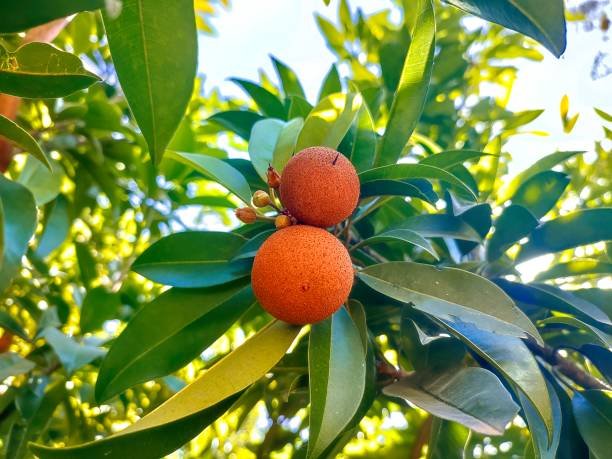
The madrone (Arbutus menziesii) is an evergreen tree native to the western coast of North America. Known for its distinctive peeling red bark, glossy green leaves, and clusters of white flowers, it plays a unique ecological and cultural role.
Ecological Importance of the Madrone
-
Wildlife Habitat: Provides berries for birds and small mammals.
-
Soil Enrichment: Its leaves and bark contribute to forest ecosystems.
-
Resilience: Madrone trees thrive in rocky soils and coastal climates, symbolizing endurance.
For Indigenous communities, the madrone is not just a plant—it is woven into daily life, medicine, and stories.
Madrone in Lushootseed: Cultural and Linguistic Roots
The Lushootseed Language
Lushootseed, part of the Salishan language family, was traditionally spoken by Coast Salish peoples across present-day Washington state and British Columbia. The language is deeply tied to the land, with many plant and animal names reflecting nuanced ecological knowledge.
Madrone in Lushootseed
While different Lushootseed-speaking communities may have variations in naming, the madrone often carries associations of strength, healing, and continuity. Its name in Lushootseed is not simply a translation but a cultural identifier, embodying local traditions and ecological wisdom.
The Power of Pronunciation: Why Audio is Essential
Written vs. Spoken Lushootseed
Unlike English, Lushootseed uses sounds and stress patterns that cannot be fully captured by text. For learners, reading the word “madrone” in Lushootseed is only part of the journey. To truly grasp it, one must hear Madrone in Lushootseed pronunciation audio.
Benefits of Audio Learning
-
Authenticity: Hear the word as spoken by fluent speakers.
-
Accuracy: Avoid mispronunciation that distorts meaning.
-
Engagement: Audio brings the language to life, making it easier to remember.
-
Preservation: Recording pronunciation ensures future generations can access it.
Madrone in Lushootseed Pronunciation Audio Resources
Community Archives
Many tribal language programs maintain digital archives where audio files of plant names, including madrone, are stored. These serve as learning tools and cultural preservation resources.
Educational Platforms
Some universities and non-profits collaborate with Coast Salish communities to create Lushootseed dictionaries that include audio clips. Searching specifically for Madrone in Lushootseed pronunciation audio often leads to these repositories.
Apps and Digital Tools
Language revitalization apps are increasingly offering Lushootseed vocabulary with sound files. These mobile resources allow learners to practice pronunciation anywhere.
The Role of Madrone in Traditional Knowledge
Healing and Medicine
Indigenous traditions describe madrone bark and leaves being used in teas and remedies for colds, sore throats, and skin conditions. Its role in medicine makes its Lushootseed name particularly meaningful.
Storytelling and Symbolism
The madrone tree often symbolizes survival, resilience, and connection to place. When learners hear its Lushootseed name through audio pronunciation, they’re not just learning a word—they’re engaging with cultural heritage.
Challenges in Accessing Lushootseed Pronunciation
Language Loss and Revitalization
Like many Indigenous languages, Lushootseed has faced decline due to colonization and assimilation policies. As fluent speakers dwindled, so too did opportunities to hear correct pronunciation.
The Importance of Technology
Today, audio recordings help bridge the gap. When learners search for Madrone in Lushootseed pronunciation audio, they are tapping into a vital stream of cultural resilience. Digital preservation ensures that correct sounds are never lost.
How Learners Can Engage with Madrone in Lushootseed
-
Listen Actively – Seek out pronunciation audio and repeat words regularly.
-
Support Language Programs – Contribute to Lushootseed revitalization projects.
-
Use in Daily Life – Incorporate Lushootseed words, such as madrone, into everyday vocabulary.
-
Learn from Elders – If possible, connect directly with speakers who can provide guidance.
The Future of Madrone in Lushootseed Pronunciation Audio
With increased awareness of Indigenous languages, the future is hopeful. Lushootseed language classes, online dictionaries, and audio libraries continue to expand. The madrone tree’s name, preserved in sound, becomes a living testament to cultural survival.
By continuing to record, share, and teach these words, communities ensure that learners can always find accurate Madrone in Lushootseed pronunciation audio, preserving both ecological and cultural knowledge.
Conclusion
The madrone tree, with its striking bark and deep cultural ties, holds more than botanical interest—it represents resilience, tradition, and language. Learning its name in Lushootseed connects us to centuries of ecological wisdom and cultural heritage.
Audio pronunciation plays a crucial role in this journey, offering learners authentic sounds that written words cannot capture. Whether through archives, apps, or community teachings, accessing Madrone in Lushootseed pronunciation audio helps preserve the heartbeat of Lushootseed.
As more people engage with this knowledge, the madrone continues to stand as a symbol of strength—not only in the forest but also in the preservation of language and culture.













Leave a Reply