

Introduction: Why Lagori Still Wins Hearts
Some games don’t need fancy stadiums, expensive gear, or digital screens to be fun. They just need energy, teamwork, and a bit of competitive spirit. Lagori is one of those games. Played in schoolyards, streets, and open grounds, it has been around for generations, quietly teaching kids cooperation, strategy, and quick thinking without anyone even realizing it.
If you’ve ever seen a group of players sprinting, shouting, dodging throws, and laughing all at once, chances are they were playing lagori. Simple at first glance, yet surprisingly tactical, this traditional game blends physical movement with mental alertness. In this article, we’ll break everything down from the setup and flow of the match to scoring and safety so you truly understand how it all comes together.
What Is Lagori, Really?
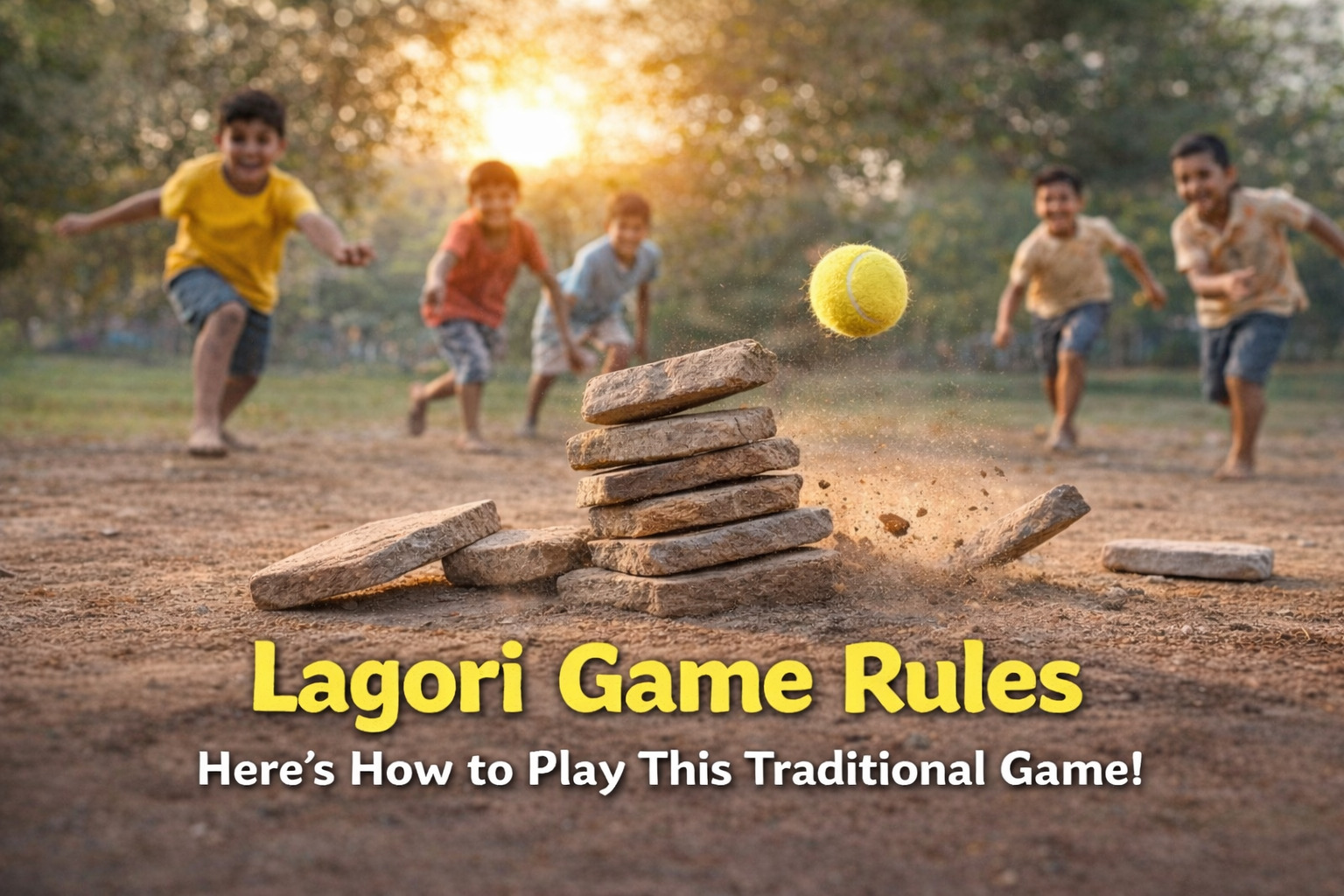
Lagori, also known in some regions as Seven Stones, is a fast-paced outdoor team game traditionally played with a ball and a stack of flat stones. The objective may sound straightforward, but once the game starts, things move quickly.
At its heart, lagori is about attack versus defense, balance versus disruption, and patience versus speed. One team tries to rebuild a stack of stones, while the other tries to stop them—using only throws, reflexes, and coordination.
The Simple Equipment Behind the Game
You don’t need much to play lagori, which is one reason it became so popular.
Basic Items Used
- A soft ball (rubber or tennis ball preferred)
- A stack of flat stones or tiles (usually 5–7 pieces)
- An open playing area
- Clear boundary lines (chalk or natural markers work fine)
That’s it. No uniforms required. No fancy tools. Just pure gameplay.
Team Formation and Player Roles
Lagori is always played between two teams, and balance is key.
How Teams Are Set Up
- Each team typically has 5 to 9 players
- One team starts as the attacking team
- The other begins as the defending team
- Teams switch roles after each round or when certain conditions are met
Every player matters here. There’s no standing around waiting for a turn. Everyone stays alert.
Lagori Game Rules: Core Gameplay Explained
Understanding the lagori game rules makes the experience smoother and far more enjoyable. While rules may vary slightly by region, the core structure remains consistent.
Starting the Game
- The defending team stacks the stones neatly in the center
- The attacking team stands at a distance
- One attacker throws the ball to knock down the stack
Once the stones fall, chaos—in the best way—begins.
What Happens After the Stones Fall?
This is where the game truly comes alive.
- The attacking team rushes in to rebuild the stack
- The defending team grabs the ball and tries to hit attackers
- Attackers must dodge, run, and cooperate
If an attacker gets hit by the ball, they’re out for that round.
Rebuilding the Stack: Timing Is Everything
The attackers don’t need brute strength—they need coordination.
- One player may distract defenders
- Another may guard the stone area
- Someone else rebuilds the stack
Once the stones are rebuilt, the attackers must shout the traditional call to signal success. Miss the call? The point may not count!
Winning a Round
A round ends when:
- The attacking team successfully rebuilds the stack and calls out
- OR all attackers are eliminated by the defending team
Then, roles are reversed, and the next round begins.
Scoring System Made Easy
Scoring in lagori is refreshingly simple.
Points Are Awarded When
- Attackers rebuild the stack successfully
- Defenders eliminate all attackers before rebuilding
Typically:
- 1 point per successful rebuild
- First team to reach an agreed score wins
Some versions add bonus points for speed or clean rounds.
Why Lagori Isn’t Just About Speed
At first glance, lagori looks like a sprint-heavy game. But there’s more under the hood.
Skills Players Develop
- Strategic planning
- Spatial awareness
- Team communication
- Quick decision-making
- Physical agility
In other words, it’s learning disguised as play.
Common Mistakes Beginners Make
New players often jump in full of enthusiasm—only to get caught off guard.
Typical Errors Include
- Rushing the stack without planning
- Ignoring team signals
- Throwing the ball too hard
- Forgetting boundaries
A calm approach almost always beats a frantic one.
Safety Guidelines Everyone Should Follow
Lagori is energetic, but safety matters.
Smart Safety Tips
- Use a soft ball only
- Avoid head or face throws
- Keep nails short to prevent scratches
- Play on even ground
- Stop immediately if someone gets hurt
Following these keeps the game fun for everyone.
Lagori in Schools and Community Events
Many schools have reintroduced lagori in physical education programmes. Community sports days often include it too, especially during festivals. Why? Because it’s inclusive, adaptable, and instantly engaging even for spectators.
Why Understanding Lagori Game Rules Improves Play
Knowing the lagori game rules isn’t about being strict—it’s about fairness. Clear rules reduce arguments, improve flow, and keep everyone focused on the fun rather than confusion.
Once players understand boundaries, scoring, and elimination conditions, the game feels smoother and more competitive.
Conclusion
Lagori isn’t just a childhood memory; it’s a living, breathing game that still holds its ground. Simple yet strategic, fast yet thoughtful, it proves that the best games don’t need upgrades or downloads.
Whether played in a dusty schoolyard or a clean sports ground, lagori brings people together, builds bonds, and creates moments worth remembering. Learn it well, play it fair, and you’ll understand why it has survived for generations.
Frequently Asked Questions
What is the main objective of lagori?
The goal is to knock down a stack of stones and rebuild it while avoiding being hit by the ball.
How many players are needed to play lagori?
Each team usually has between 5 and 9 players, depending on space and agreement.
Can lagori be played indoors?
Yes, with soft balls and adjusted boundaries, indoor versions are possible.
Is lagori suitable for adults?
Absolutely! It’s just as fun and competitive for adults as it is for kids.
Why is lagori considered a traditional game?
Because it has been passed down through generations using simple tools and community play.














Leave a Reply